Prison Legacy Crafting and Economy
Turn kitchen scraps and scrap metal into leverage inside the walls.
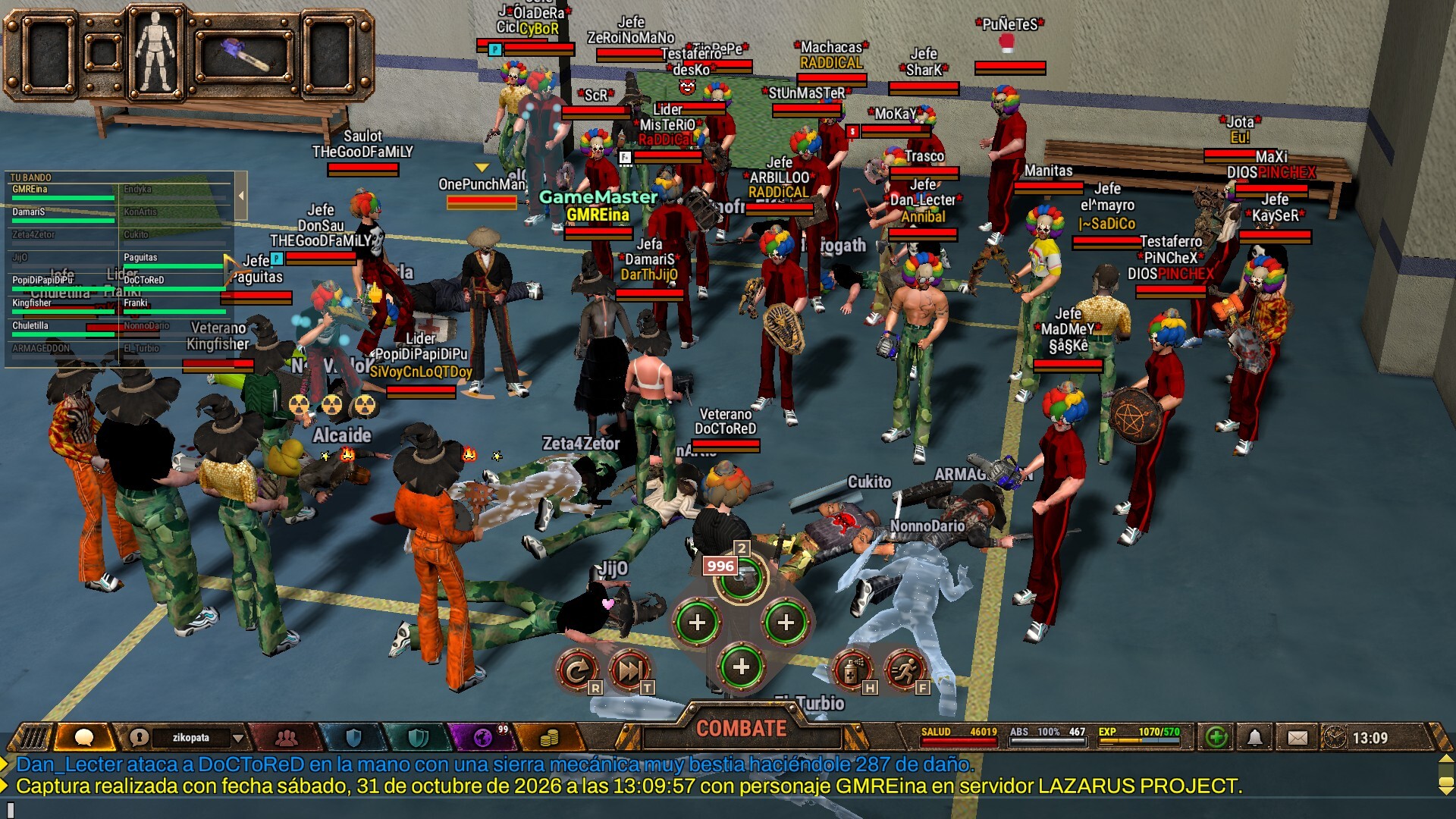
Prison Legacy’s economy is a living black market shaped by inmates. Thousands of items move through cell blocks: food, medicine, armour pieces, weapons, and raw junk waiting for a craft bench. This guide covers professions, trading etiquette, theft risk, and how crafting feeds combat and clan life.
Why crafting matters on day one
You start broke. Missions and NPC favours help, but self-made goods let you:
- Feed and heal without paying scalper prices.
- Wear better protection before your combat rating catches up.
- Sell surplus for weapons that match your crime class.
- Supply clanmates during contested pushes described in the Combat Guide.
Craft early even if you plan to main PvP. Self-sufficiency is reputation.
Profession lanes
Official materials highlight several practical lanes. Treat them as careers you deepen over weeks:
- Cooking — reliable food output; easy first trade goods.
- Chemistry / brewing — medicines and shady concoctions that win fights before they start.
- Sewing — protective clothing and uniform-adjacent gear for clan identity.
- Mechanics — keep weapons and tools from falling apart mid-arc.
- Jewelry — higher-value finishes when you have materials and buyers.
- Fabrication and repair — turn scavenged junk into usable kit.
Your crime can lean into certain crafts. A Thief who also sews, or a Narco who owns chemistry, compounds advantages. Check rivalries on the tier list so your economic plan does not fight your XP plan.
Inventory and the cell locker
Anything worth stealing will be stolen. Use your cell locker as the bank. Carry only what you need for the current route: a weapon set, medicine, trade samples, and a flee plan. After a successful craft session, vault the bulk immediately.
Trading without getting played
Always-on chat includes trade calls. Good habits:
- Price-check similar items in chat before you undercut the whole wing.
- Prefer known contacts from your book over anonymous shouts for high-value deals.
- Meet in safer guard-favour spaces when possible.
- Screenshot or diary-note large trades if disputes are common on your shard culture.
- Bundle consumables — buyers hate one-off crumbs.
NPC conversations can also yield favours and experience. Talking is a resource loop, not fluff.
Stealing and risk
Theft is part of the fantasy. It is also how wars start. Steal when:
- You can escape the block afterward.
- The target is not clan-backed in a way that ends your week.
- The item moves your craft or combat breakpoint now, not later.
Random pocket grabs against well-connected politicians or mobsters are how new characters learn pain. Read the social room the same way you read a combat matchup.
Supplying a clan
Clans share uniforms and stage groups of up to sixteen. Crafters become logistics officers: med packs, repaired weapons, and food for long contested nights. Coordinate production so five people are not all cooking the same stew while nobody repairs blades. The Clans and Alliances guide covers leadership expectations; this page is the warehouse view.
Progression roadmap
Hours 1–3: Pick one craft, make ten sellable items, vault profits.
Day 2: Add a second complementary craft (food + meds, or sew + repair).
Day 3–7: Specialise into a niche your crime and clan actually need.
Ongoing: Watch the Updates Hub for economy and item patches after launch.
Common mistakes
- Hoarding junk in pockets instead of the locker.
- Ignoring repair until a weapon breaks mid-fight.
- Flooding chat with unpriced offers.
- Crafting only vanity while your medicine slot is empty.
- Refusing to buy a key component when time matters more than pride.
Tie-ins
New players should finish Getting Started first. Class identity lives on the Players Hub. Hardware limits that affect craft UI comfort are listed under system requirements. Official store and community links sit on the Links Hub.
Craft is how the prison remembers you when the fists stop. Make something other inmates need, and you will rarely eat alone.
Frequently Asked Questions
Quick answers for new and returning inmates.
What should I craft first in Prison Legacy?
Start with cooking or basic medicine so you can sustain fights and sell surplus quickly.
How many items are in the economy?
Community and press materials describe a network of thousands of items across weapons, armour, consumables, and materials.
Where should I store valuables?
Use your cell locker. Do not walk the yard with your entire fortune.
Does my crime affect crafting?
Yes. Each crime has crafting leanings and rivalries that shape efficient progression.